DIYwoodskills . com
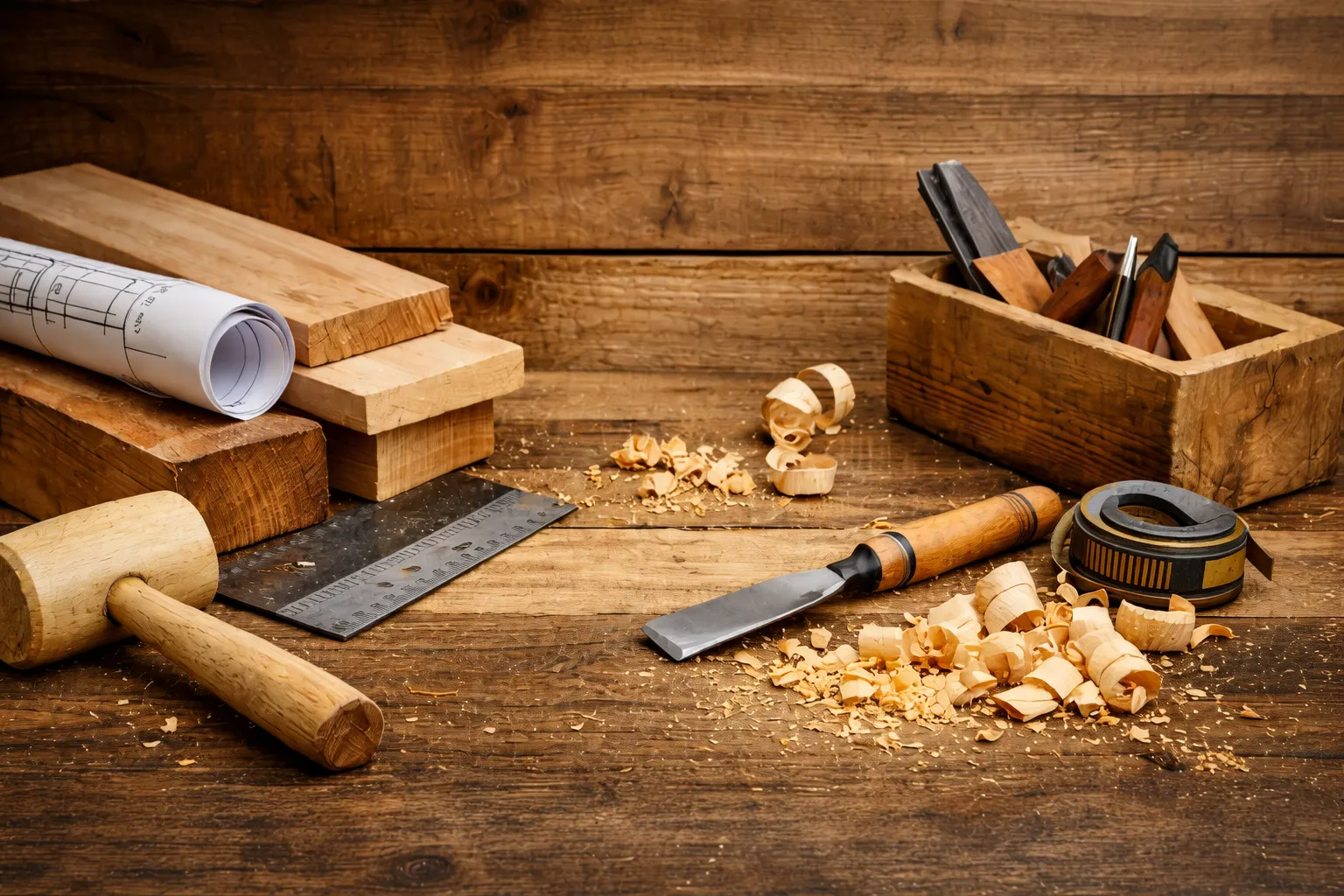
The Benefits of Woodworking as a Hobby
In a world increasingly dominated by screens, notifications, and abstract digital work, woodworking offers something refreshingly different: a return to tangible creation. As a hobby, woodworking combines creativity, problem-solving, physical engagement, and quiet focus in a way few other activities can. Whether you’re crafting a simple shelf or building fine furniture, working with wood delivers benefits that extend far beyond the finished piece.
A Deep Sense of Satisfaction
One of woodworking’s greatest rewards is the feeling of accomplishment it provides. You begin with raw material—often rough, imperfect boards—and transform them into something useful and lasting. This process creates a powerful sense of agency: you can point to a finished table, box, or chair and say, I made that. In a time when much of our work is invisible or temporary, woodworking produces results you can see, touch, and use every day.
Stress Reduction and Mental Focus
Woodworking naturally encourages mindfulness. Measuring, cutting, fitting, and finishing require attention to detail and presence in the moment. This focus can quiet mental noise and reduce stress in much the same way meditation does. The rhythm of hand tools, the smell of wood, and the gradual progress of a project create a calming environment that helps many people unwind after demanding days.
Creativity with Structure
Unlike purely free-form artistic hobbies, woodworking balances creativity with structure. Plans, measurements, and joinery provide a framework, while wood grain, design choices, and finishing techniques allow for personal expression. This balance is deeply satisfying, especially for people who enjoy solving problems while still having room to make something uniquely their own.
Practical Skills That Last a Lifetime
Woodworking builds skills that are both practical and transferable. You learn how materials behave, how to plan ahead, and how small errors can compound—or be corrected. These lessons foster patience, precision, and adaptability. Over time, many hobbyists find they become more confident tackling household repairs, custom solutions, and creative challenges beyond the workshop.
Physical Engagement Without Excess Strain
As a hobby, woodworking offers gentle physical activity without requiring athletic performance. Lifting boards, sanding surfaces, and using hand tools engage the body in a controlled, purposeful way. This kind of movement can improve coordination and dexterity while remaining accessible to people of many ages and fitness levels.
Connection to Tradition and Craft
Woodworking carries a sense of continuity with the past. Humans have shaped wood for shelter, tools, and beauty for thousands of years. Practicing this craft connects you to a long tradition of makers who relied on skill, patience, and ingenuity. For many, this connection brings a quiet sense of meaning and respect for materials and craftsmanship.
Community and Sharing
Though woodworking can be a solitary pursuit, it often leads to community. Makers share techniques, exchange advice, and appreciate one another’s work. Gifting handmade items strengthens personal connections, as recipients recognize the time and care invested in something made just for them.
A Hobby That Grows With You
Perhaps most importantly, woodworking scales with experience. You can start small—with basic tools and simple projects—and grow at your own pace. There is always more to learn, refine, and explore. This ongoing journey keeps the hobby engaging for decades.
In the end, woodworking is more than making objects. It’s about slowing down, working with your hands, and creating something real in a fast-moving world. For many, that combination makes it one of the most rewarding hobbies there is.
Copyright 2026 by diywoodskills.com. All rights reserved..
This site is not a part of the Youtube website or Youtube Inc. Additionally, This site is NOT endorsed by Youtube in any way. YOUTUBE is a trademark of YOUTUBE, Inc.